
 by
by If you’ve ever wondered why some homes feel solid and energy-efficient while others leak heat like crazy, it usually comes down to insulation. And when it comes to upgrades, rigid board insulation is one of the most effective materials out there. It’s tough, efficient, and perfect for older homes that need a bit of extra help.
What Is Rigid Board Insulation?
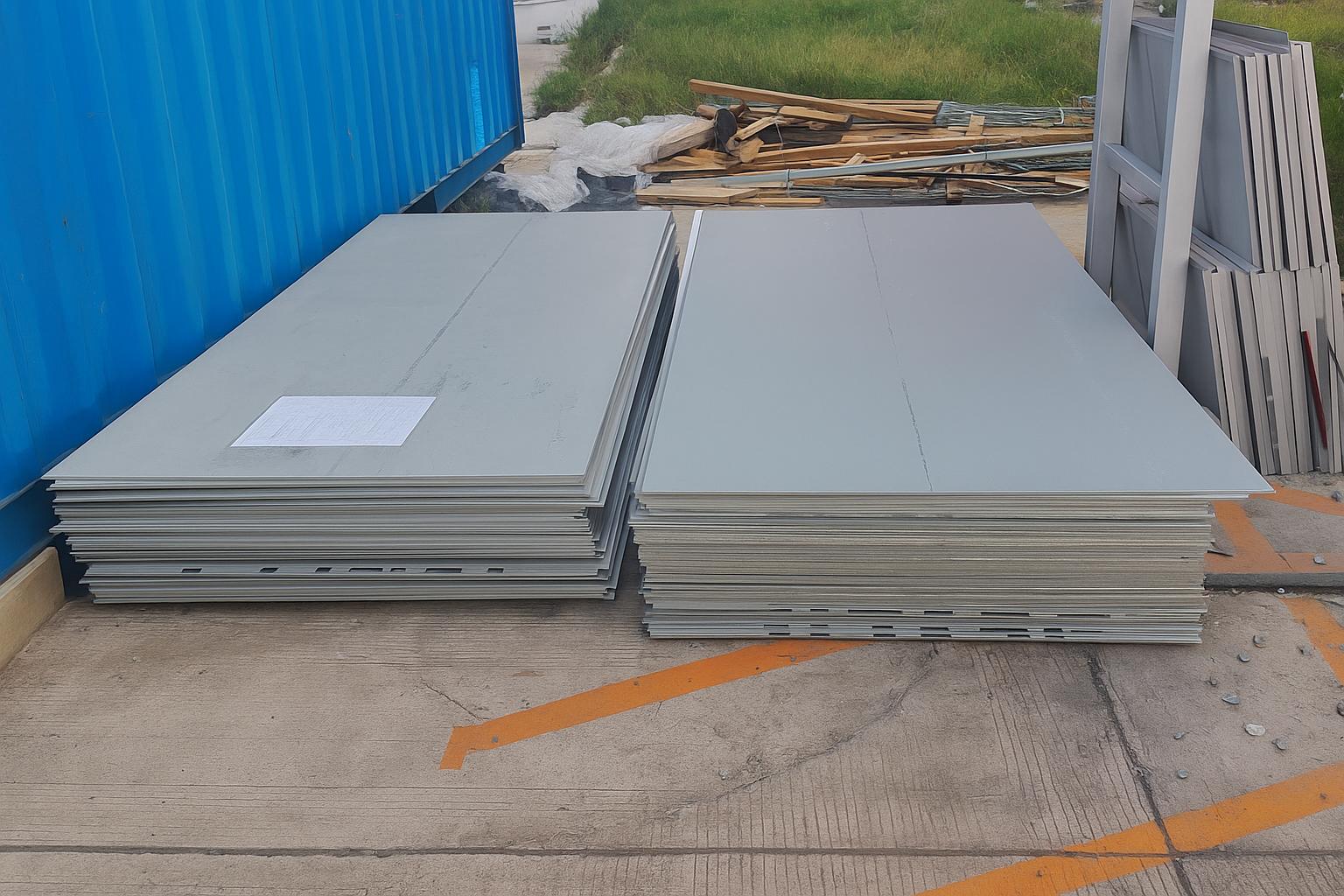
Unlike fluffy batts or loose-fill, rigid boards are dense sheets made from materials like polyisocyanurate, polystyrene, or polyurethane. They’re cut to size and fitted into walls, roofs, and floors.
Why people like them:
- They have high R-values for their thickness (so they perform better in tight spaces).
- They resist moisture—great for basements or damp-prone areas.
- They add structural strength, which is a bonus in older homes.
The Role of Retrofit House Insulation
Now, let’s talk retrofits. Many homes—especially those built before the ’90s—have little to no insulation. That’s where retrofit house insulation comes in. Instead of tearing down walls or rebuilding from scratch, specialists can add insulation to existing structures.
Rigid boards are particularly handy here. For example:
- They can be installed on the exterior of walls before cladding or rendering.
- They’re often used under floors or in roof spaces where you need durability.
They create a thermal break, reducing heat transfer and keeping indoor temperatures stable.
Step-by-Step: How It Usually Works
- Assessment – Professionals inspect your home to see where energy is being lost.
- Material Selection – Rigid boards may be chosen for walls, roofs, or under-slab areas.
- Preparation – Surfaces are cleaned and measured so the boards fit snugly.
- Installation – Boards are cut to size and secured in place, sometimes with adhesive or mechanical fasteners.
- Finishing – Seams are sealed to prevent air leakage, and then walls or floors are finished as usual.
Why It’s Worth Considering?
Adding retrofit house insulation with rigid boards isn’t just about comfort. It can:
- Cut heating and cooling bills significantly.
- Improve indoor air quality by reducing drafts.
- Increase property value (buyers love energy-efficient homes).
- Reduce condensation and damp issues in problem areas.
Final Thoughts
If your home feels drafty, or if your energy bills are higher than they should be, it’s worth exploring rigid board insulation as part of a retrofit house insulation upgrade. It’s a strong, long-term solution that doesn’t just patch the problem—it actually transforms how your home holds heat and stays cool.
Think of it as giving your house a proper thermal jacket. Once it’s on, you’ll notice the difference every single season.


