by
by There is something quietly radical about removing a solid ceiling from above a living area and replacing it with glass. Not in a dramatic, architectural-magazine kind of way, but in the everyday sense of waking up and having the sky as part of your morning.
The homes that have made this decision rarely regret it. And the ones still sitting on the fence tend to underestimate just how much a single structural change can shift the entire personality of a space. Glass roofs do that in a way very few other additions genuinely can.
Why Natural Light Hits Differently Through a Roof
A window on a wall gives you light from the side. It is useful, even lovely, but it has limits. Overhead glazing is a different experience entirely. The light comes down the way it was always meant to, evenly, without casting harsh shadows across half the room or leaving corners in permanent shade by mid-afternoon.
This matters more in Sydney homes than people often credit. The city gets the kind of light that deserves to be let in properly, not filtered through a narrow opening or bounced off a painted ceiling. A glazed roof lets a room breathe in a way that no artificial lighting system, regardless of how expensive, can replicate with any real conviction.
The Structural Decisions That Actually Matter
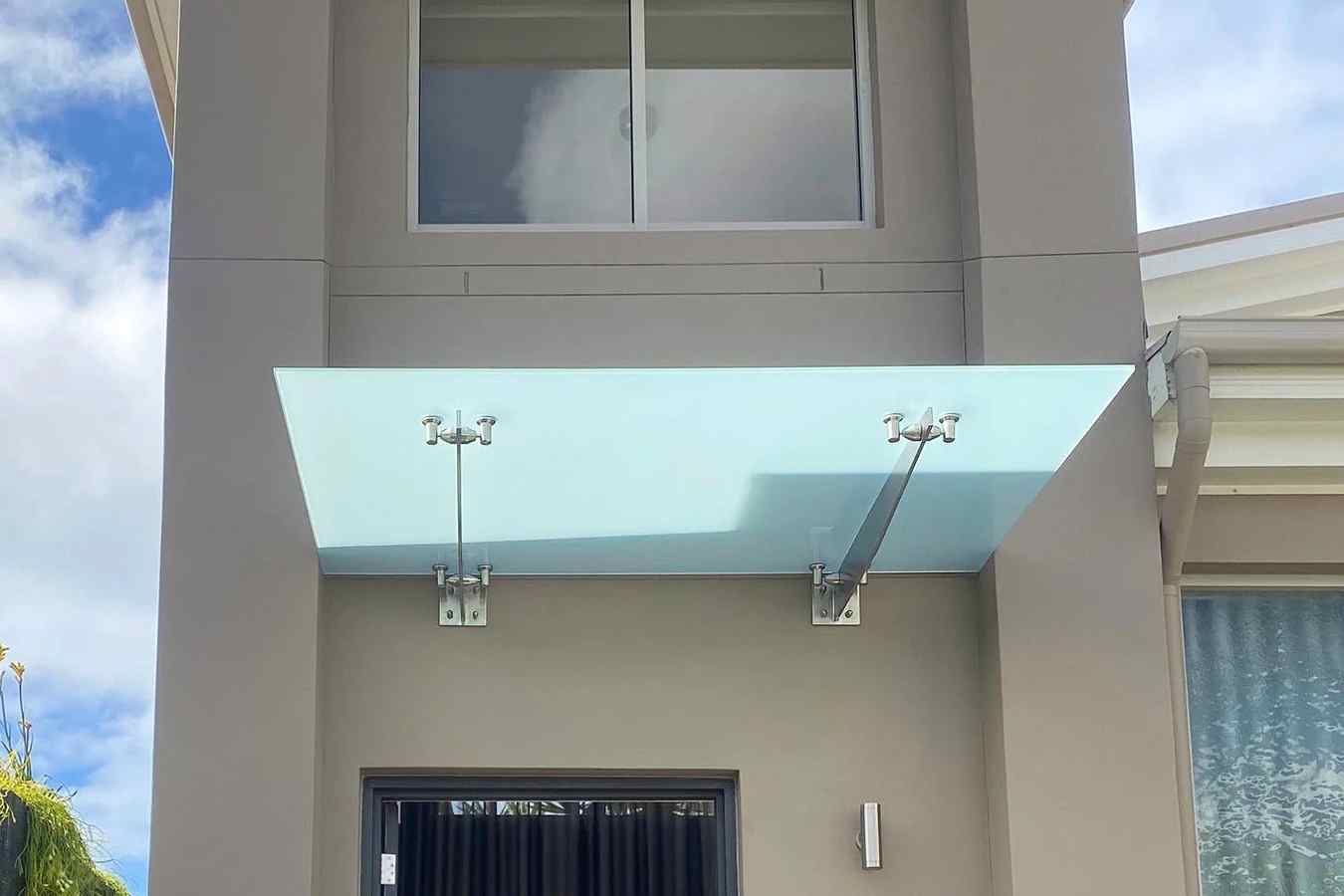
Not every glass roof is the same, and the shape makes a genuine difference to how the space performs. Skillion roofs suit contemporary homes with clean lines and a single slope aesthetic. Gable designs work well for more traditional architecture, where a pitched look fits the surrounding streetscape. Curved options tend to soften outdoor entertaining areas and covered walkways where a rigid line would feel out of place.
Material choice matters just as much. Laminated glass holds together if it cracks rather than shattering downward, which is the relevant safety standard for anything installed overhead. Toughened glass handles heat and impact stress in ways standard glass cannot. For anyone seriously looking into glass roof in Sydney options, these distinctions are worth understanding before a single quote is accepted.
The Detail Most People Skip Until It Is Too Late
Installation quality is the part that determines whether a glass roof performs the way it should for the next twenty years or starts causing problems within the first two. Compliance with Australian Standards is not optional for overhead glazing. It is the line between a structure that protects and one that creates liability.
Proportion and placement deserve the same careful thought that goes into any permanent architectural decision.
The homes that carry their glass roof well did not get there by accident. They got there because the right questions were asked before the first measurement was taken, and the answers actually guided what went up.