by
by Your monthly Central Electricity Board (CEB) bill is quietly eating into your profit margins and household budget. You are exhausted by unpredictable tiered tariffs and the lingering anxiety of losing power during our intense summer cyclone seasons.
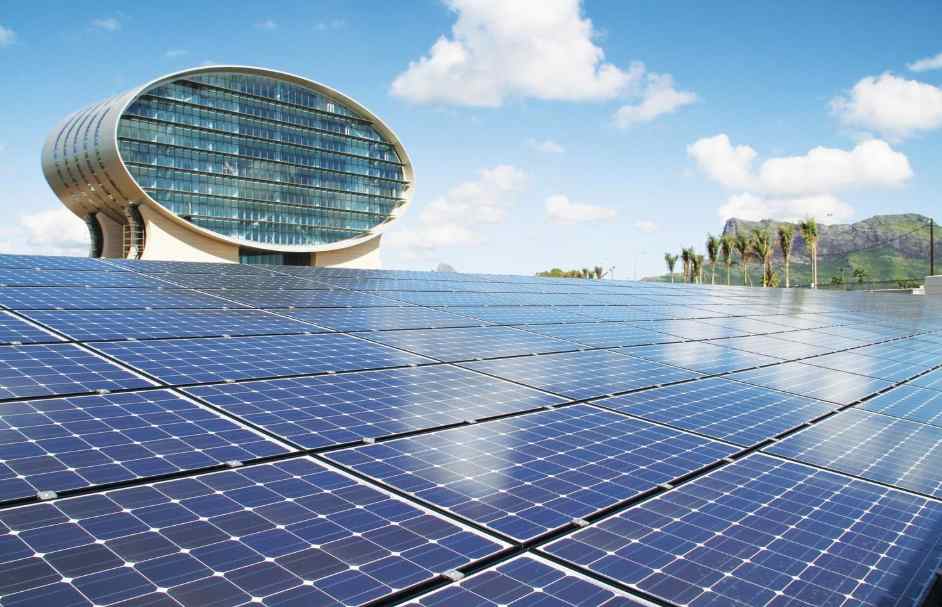
A solar system in Mauritius is a localized energy generation setup typically combining high-efficiency solar panels, hybrid inverters, and battery storage tailored specifically to withstand our tropical island weather.
By installing a compliant system, you legally bypass peak CEB electricity rates, protect your property against grid failures, and generate immediate, tax-free financial returns.
Why Is a Solar System in Mauritius a Financial Necessity Right Now?
If you think waiting for panel prices to drop is a smart move, you are losing money every single month. According to the U.S. International Trade Administration, the Mauritian government is urgently pushing to reach 60% renewable energy by 2030 to reduce heavy reliance on imported fossil fuels.
In my experience, as the island shifts away from imported coal and oil, grid electricity costs will only become more volatile. Installing a solar system in Mauritius allows you to permanently lock in your energy costs for the next 25 years. You transition from endlessly renting your electricity to actually owning a hard financial asset.
What Equipment Actually Survives Our Tropical Climate?
The mistake I see most often is property owners buying budget solar equipment that simply cannot handle Mauritian humidity, extreme UV indexes, and corrosive salt air. You absolutely cannot treat a coastal island installation like a standard mainland setup.
The Non-Negotiable Island Upgrades
Here is what actually works when building a highly resilient solar setup:
- Cyclone-Rated Racking: Your mounting system must be engineered and certified to withstand our extreme summer cyclone wind speeds without compromising your roof.
- Tier-1 Anti-PID Panels: Potential Induced Degradation (PID) happens fast in high humidity. You need premium, rigorously weather-sealed panels to prevent rapid power loss.
- Hybrid Inverters: These devices allow your home to seamlessly switch between solar power, battery storage, and the CEB grid without dropping a single watt.
How Do You Successfully Navigate CEB Regulations?
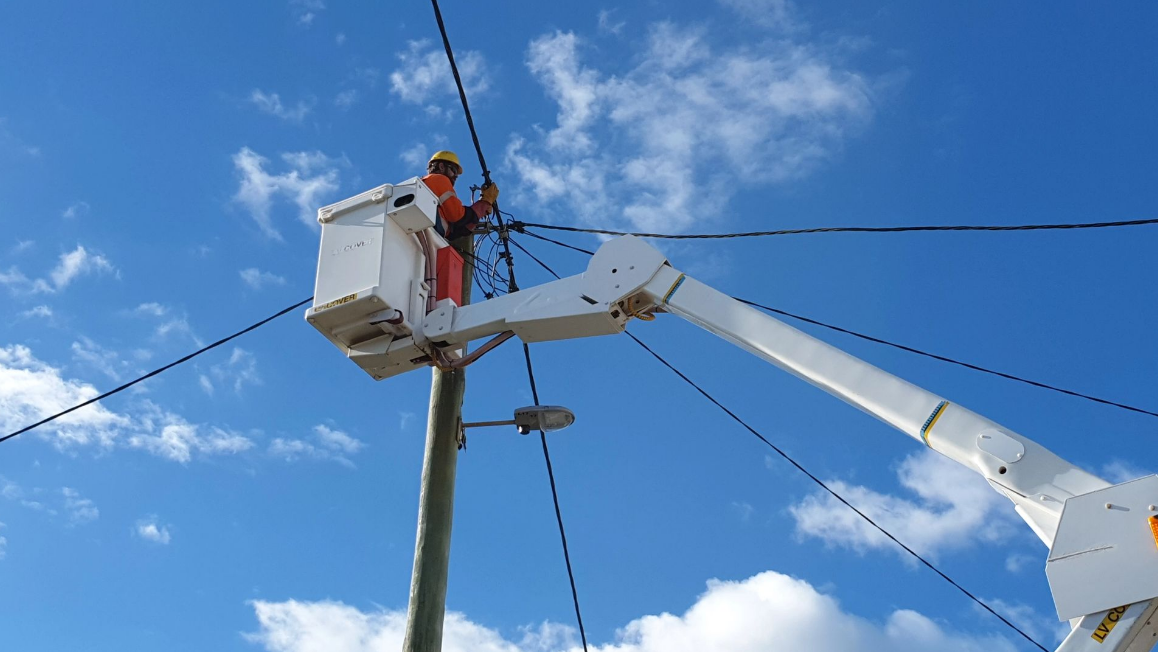
Connecting to the local grid isn’t as simple as bolting panels to your roof and flipping a switch. You must formally apply through the CEB’s specific SSDG (Small Scale Distributed Generation) or MSDG grid-tie schemes.
This approval process can be frustratingly bureaucratic if you go into it blind. You need an expert installation partner who handles the complex CEB paperwork for you, ensuring your system sizing strictly complies with local grid export limits.
The Bottom Line
Investing in a premium solar system in Mauritius is no longer just an eco-friendly initiative; it is a critical defense against the rising cost of living. By choosing climate-appropriate hardware and navigating local net-metering schemes correctly, you guarantee your family’s long-term energy independence.
Are you ready to stop giving your hard-earned money to the utility company? Contact our local team today for a free, site-specific solar audit and custom proposal.