
 by
by With the rising demand for sustainable energy sources, solar power has become a popular choice for individuals and businesses aiming to reduce their environmental footprint. A photovoltaic system plays a critical role in harnessing solar energy, converting sunlight into electricity to power homes, businesses, and even large industrial operations. Understanding how photovoltaic systems work and their benefits can help users make informed decisions about adopting solar technology for sustainable living.
What is a Photovoltaic System?
A photovoltaic system, often referred to as a solar power system, is a renewable energy system designed to convert sunlight into electrical power using photovoltaic cells. These cells, typically made of semiconductor materials like silicon, generate electricity when exposed to sunlight through a process known as the photovoltaic effect. As sunlight hits the cells, it excites electrons within the material, creating a flow of electric current.
Components of a Photovoltaic System
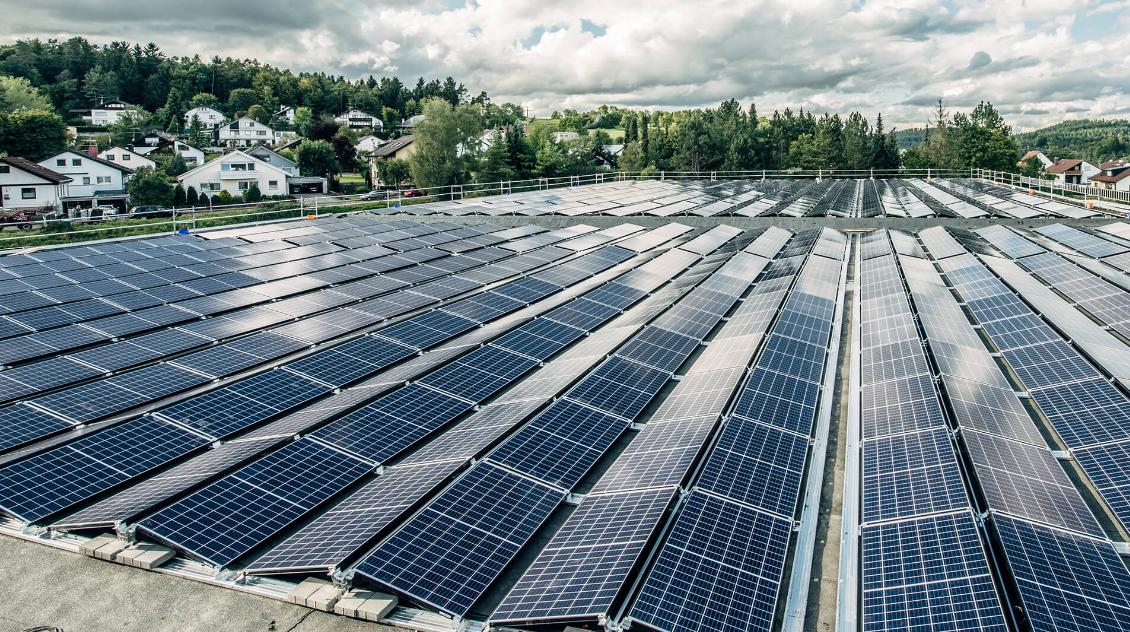
The main components of a photovoltaic system include photovoltaic panels, an inverter, and sometimes a battery storage unit. Photovoltaic panels, also known as solar panels, are the heart of the system and are responsible for capturing sunlight and converting it into direct current (DC) electricity. The inverter then converts this DC electricity into alternating current (AC), which is the type of electricity used in most homes and businesses. If energy storage is required, a battery unit can store excess electricity generated during sunny days, making it available during cloudy periods or at night.
Types of Photovoltaic Systems
Photovoltaic systems come in various configurations, primarily grid-tied, off-grid, and hybrid systems. A grid-tied system is connected to the main power grid, allowing users to draw power when solar production is low and potentially feed excess electricity back into the grid. Off-grid systems are entirely self-sustained and rely on battery storage, making them ideal for remote areas.
Benefits of Installing a Photovoltaic System
Firstly, it provides a clean, renewable energy source that reduces dependency on fossil fuels, cutting greenhouse gas emissions. Additionally, photovoltaic systems can significantly lower electricity bills by producing power from sunlight, which is free and abundant. As technology advances, the cost of photovoltaic systems continues to decrease, making them more accessible and affordable for homeowners and businesses alike.
A photovoltaic system is a practical and sustainable energy solution that allows individuals and businesses to harness the sun’s energy efficiently. By understanding the components and benefits of photovoltaic technology, users can make well-informed choices to embrace clean energy, reduce costs, and contribute to a greener future.


