
 by
by In the food and beverage industry, maintaining clean and safe environments is paramount to ensuring products’ quality and health standards. One crucial but often overlooked aspect of this is the selection of high-performance food and beverage flooring that is specifically designed to withstand the demands of its processing facilities. Here we delve into the essential features that such flooring solutions should possess to meet the rigorous requirements of this industry.
1. Hygiene and Cleanliness
Food and beverage processing environments must adhere to strict hygiene standards to prevent the risk of contamination and ensure consumer safety. High-performance epoxy flooring in Cape Town should have a non-porous surface that is easy to clean and sterilise, reducing the potential for bacteria growth and facilitating thorough sanitation practices.
2. Chemical Resistance
Given the nature of its processing, the flooring is constantly exposed to various chemicals such as acids, alkalis, oils, and cleaning agents. The flooring material must be highly resistant to these substances to prevent deterioration, staining, or degradation over time.
3. Durability and Impact Resistance
The flooring facilities must endure heavy foot traffic, equipment movement, and impact from heavy machinery without showing signs of wear and tear. High-performance flooring should be durable enough to withstand these demands and maintain its integrity for an extended period.
4. Slip Resistance
Safety is a top priority in processing plants where spills are common and can pose slipping hazards to workers. The flooring should offer excellent slip resistance to reduce the risk of accidents and injuries in the workplace.
5. Temperature Resistance
Food and beverage production involves temperature variations due to refrigeration, cooking processes, or hot spills. The flooring material should be able to tolerate extreme temperatures without warping, cracking, or losing its structural integrity.
6. Seamless and Smooth Finish
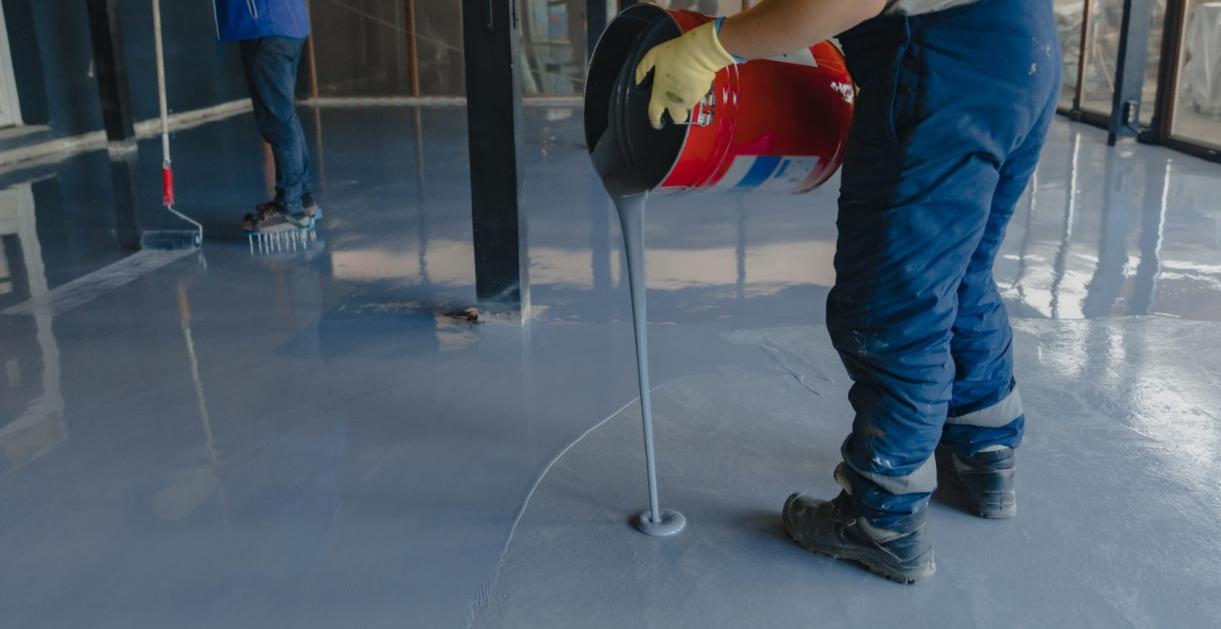
Seams and crevices in the flooring can harbour dirt, moisture, and bacteria, compromising the cleanliness of the environment. High-performance flooring should have a seamless and smooth finish to prevent the accumulation of contaminants and facilitate easy cleaning.
7. Regulatory Compliance
Processing facilities are subject to stringent regulatory requirements to ensure product safety and quality. The flooring material should comply with industry standards and regulations to meet the specific demands of the sector.
Conclusion
Choosing the right high-performance food and beverage flooring is a critical aspect of creating a safe, hygienic, and efficient environment in processing plants. By considering the essential features mentioned above, businesses can make informed decisions to select flooring solutions that not only meet industry requirements but also contribute to the overall success and sustainability of their operations.


